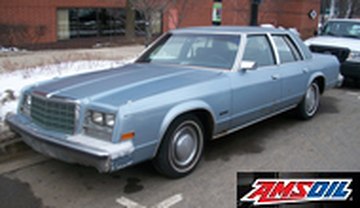
Lubrication Maintenance for the 1981 Chrysler NEWPORT 3.7L
Maintaining the engine lubrication system in a vehicle like the 1981 Chrysler NEWPORT 3.7L requires a consistent approach to monitoring and fluid management. As an older vehicle, ensuring that the internal components receive appropriate lubrication is a fundamental aspect of long-term mechanical health. Proper maintenance involves more than just periodic oil changes; it requires a proactive eye for detail regarding how fluids behave within the engine environment.
Monitoring Fluid Integrity and Condition
One of the most effective ways to monitor the health of the 3.7L engine is through regular observation of the lubricant itself. The condition of the oil can provide significant clues about the internal state of the engine. When performing routine checks, it is useful to look for changes in the appearance or consistency of the fluid.
For example, if the oil appears excessively dark or contains visible particulates, it may indicate that the lubricant has reached the end of its effective service life or that there is an accumulation of debris. Furthermore, any unusual odors associated with the engine oil should be investigated, as certain scents can be associated with various internal processes. If you notice a significant change in how the vehicle consumes oil between service intervals, this warrants a closer inspection to identify the cause.
It is also important to look for signs of external fluid seepage. Inspecting the area around the engine for any evidence of wetness or residue can help identify if gaskets or seals are beginning to show signs of age-related wear. Addressing minor seepage early can prevent more significant issues from developing over time.
Prioritizing Maintenance Based on Current Condition
For owners of a 1981 Chrysler NEWPORT, maintenance decisions are often most effective when they are based on the actual, current condition of the vehicle rather than strictly on chronological age. While regular intervals are important, the specific way a vehicle has been operated and stored can influence its immediate needs.
If you are stepping into ownership of this vehicle without a complete service history, establishing a maintenance baseline is a logical first step. This involves performing a thorough inspection of all vital fluids and components to understand the current state of the engine. Once a baseline is established, you can prioritize tasks based on what the vehicle actually requires. For instance, addressing an active leak or a component that shows signs of deterioration should take precedence over general preventive measures.
Reviewing any available repair records can also provide context. Knowing when the oil filter was last replaced or when various seals were last inspected allows for a more strategic approach to service. This method of condition-based maintenance helps ensure that resources are directed toward the areas that will most benefit the vehicle's continued operation.
Observing Potential Warning Signs
While many lubrication issues develop slowly, certain symptoms require immediate attention. It is important to distinguish between normal engine operation and signs that something may be amiss within the lubrication system.
- Fluid Level Fluctuations: A sudden or rapid decrease in oil levels can indicate a leak or an issue with how the engine is managing its lubricant.
- Visual Indicators: If the vehicle is equipped with specific dashboard indicators related to engine health, any illumination of these lights should be treated as a priority for investigation.
- Unusual Noises: While mechanical noises can stem from many sources, changes in the sound profile of the engine during startup or operation may warrant an inspection of the lubrication system.
- Exhaust Observations: Changes in exhaust characteristics, such as visible smoke, can sometimes be associated with how the engine is managing its oil.
It is vital to remember that these symptoms are not definitive diagnoses. A single symptom can have multiple underlying causes, ranging from a simple loose cap to more complex mechanical issues. Therefore, any unusual observation should be viewed as a prompt for professional inspection rather than a confirmed failure of a specific part.
Long-Term Ownership and Record Keeping
Effective long-term ownership of a 1981 Chrysler NEWPORT involves maintaining a detailed history of all service performed. Keeping a dedicated log of oil changes, filter replacements, and any repairs related to the engine or lubrication system is highly beneficial. This documentation serves several purposes:
First, it helps prevent the accidental duplication of services. Second, it allows you to track patterns, such as how quickly the oil degrades or if a specific component requires frequent attention. Third, having a documented history can be invaluable if you ever decide to sell the vehicle, as it demonstrates a commitment to consistent maintenance.
As the vehicle ages, its maintenance needs may shift. A well-documented history allows you to see these shifts clearly, helping you transition from purely preventive maintenance to more targeted, condition-based care. This organized approach ensures that the 3.7L engine remains as reliable as possible throughout its continued service life.
Inspecting Aging Components and Connections
As vehicles age, the materials used in various systems can undergo changes due to heat cycles and time. When performing routine maintenance on this Chrysler, it is wise to include a visual inspection of accessible components that are subject to environmental stress.
If equipped, inspect any visible drive belts for signs of cracking, glazing, or fraying. Similarly, if there are any visible hoses present in the engine compartment, check them for signs of brittleness, swelling, or leaks. While these are not directly part of the oiling system, their condition is a key indicator of the overall health of the engine's supporting systems. Additionally, checking electrical connections and wiring for signs of corrosion or wear can prevent unexpected issues with sensors or other engine-related electronics.
Buying Engine Oil for your 1981 Chrysler NEWPORT 3.7L
When it is time to replenish the lubricant in your 1981 Chrysler NEWPORT 3.7L, the most important step is to ensure that the product you select matches the specific requirements of your engine. Because different engines have unique needs regarding lubrication properties and chemical compositions, you should never rely on general assumptions based on the vehicle's age or size.
Always refer to the application-specific oil viscosity and lubricant information provided on this webpage before making a purchase. Match the product you buy directly to the viscosity grade listed in the technical specifications above. When shopping, carefully check the product labels to verify that the oil meets the appropriate API certifications for your needs.
Depending on your specific maintenance goals and the current condition of your engine, you may encounter various formulations, including conventional, synthetic blends, or full synthetic oils. Some high-mileage oil formulations also contain additives intended for use in aging engines, such as seal-conditioning agents. However, the decision on which type to use should be guided by the specific application data provided here and the current state of your engine's seals and performance.